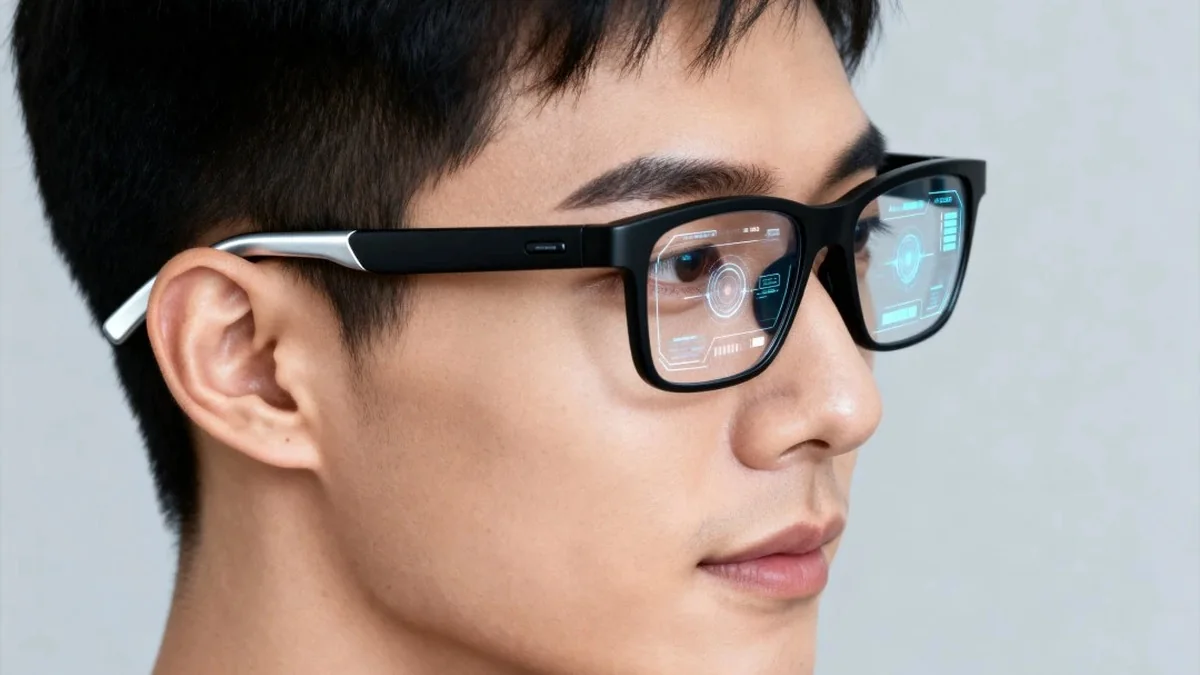
The most-reviewed pair of smart glasses on Amazon’s US store last month was not made by Meta. It was a Chinese model that sells for under $50 and has no camera at all.
Meta owns close to 84% of the global market for display-less smart glasses. That figure comes from Counterpoint Research, and it has climbed all year. Yet on the August 2026 review board for the category, a brand called OHO Sunshine sat in first place with 6,036 reviews. Ray-Ban Meta Gen 1 held second at 2,610. The newest Ray-Ban Meta had not yet reached a thousand.
Price explains part of that. It does not explain why Chinese AI glasses keep landing at the top of the shelf.
What the Amazon boards actually show
Amazon publishes a fresh set of leaderboards for this category every month. Price is one. Review count is another. Star rating is the third. Read all three together and the picture gets honest.
On price, the spread is wild. The ten best sellers ran from $39 to $379. Three cleared $200. Seven came in under $80, and five of those seven have cameras.
The cheapest entry was the OHO A8 Pro at $39. The priciest was the Ray-Ban Meta Gen 2 at $379, which is close to what a mid-range phone costs. That is a tenfold gap inside a single product category.
On reviews, the order flips completely. OHO took first with 6,036. Ray-Ban Meta Gen 1 followed at 2,610. OHO’s T8 Pro landed third at 1,381. Meta’s premium Adventurer model had 18 reviews.
That last number deserves a second look. Eighteen.
On ratings, nobody wins cleanly. The ten models scored between 4.0 and 4.7, and eight of them fell below 4.2.
The highest score belonged to a model with 21 reviews, which means almost nothing. Ray-Ban Meta Gen 1 earned 4.3 across thousands of reviews, and owners liked the look and the video. They were split on battery life and on value.
So the cheap glasses are not secretly better. They are cheaper. They move in volume. Their buyers are more forgiving.
That is a different claim from winning, and it matters when you are the one deciding what to put on your face.
The two price tiers do not compete on features. A $379 Ray-Ban Meta buys a recognizable frame and much better microphones, along with tighter integration with the phone it pairs to. A $39 audio pair buys sound in your ears, a few hours of playback, and a shape that does not look like hardware. Most buyers are not comparing them. They are deciding whether the category is worth $379 at all.
Translation is the feature that actually separates them in daily use. Point a cheap pair at a menu or a train sign and you get an answer in a second or two. It is not a polished experience. It is good enough to solve the problem that made you reach for the glasses.
Why the Chinese market looks nothing like yours
Counterpoint’s global figures for the first quarter of 2026 show intelligent eyewear shipments up 83% year over year. The interesting part hides underneath that headline. AR glasses grew 136%. Display-less smart glasses grew 210%. VR headsets fell 17%.
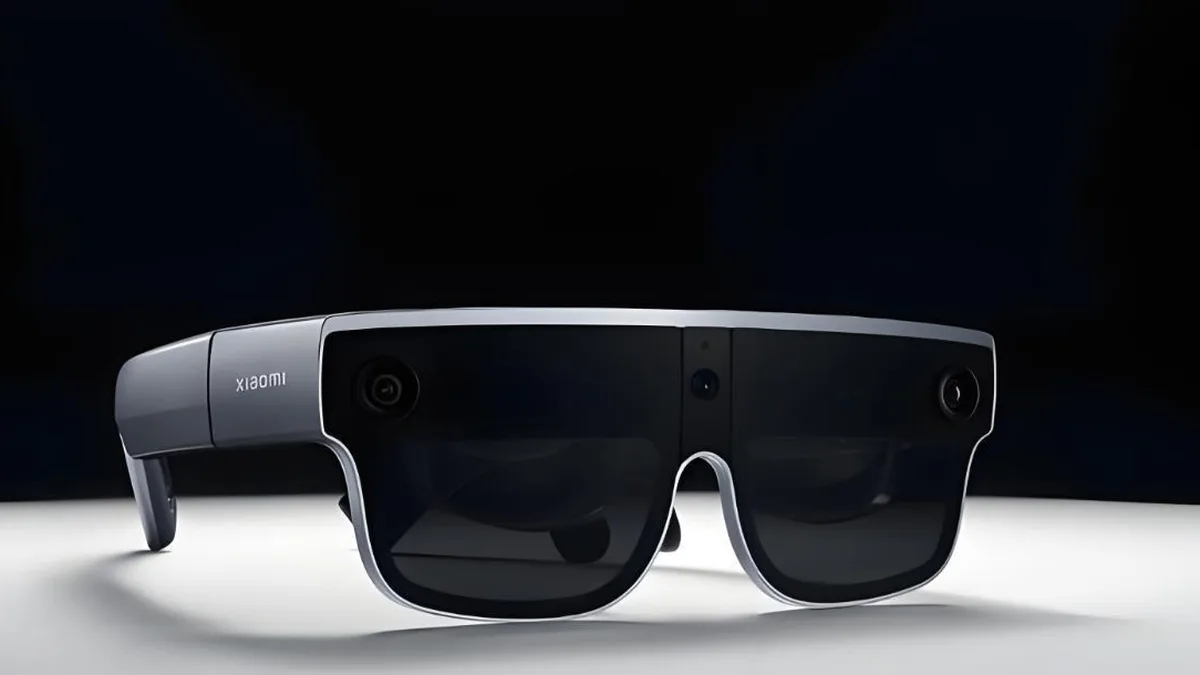
Inside China, the market has a different shape entirely. Xiaomi leads with 28% of domestic shipments, including its Mijia line. Alibaba holds 21%. A car company, Li Auto, holds 3%.
Alibaba is consolidating its glasses lineup under the Qwen brand and treating the hardware as an entry point for its AI assistant rather than a standalone gadget. That is a very different strategy from selling a fashion frame with a camera in the hinge. It also suggests where Chinese AI glasses are heading, which is toward devices that exist mainly to feed a chatbot.
Optics are shifting too. Waveguide-based AR glasses went from 18% of that segment to 42% in a single year. The older birdbath and flat-prism designs dropped from 82% to 58%.
The cost advantage is not mysterious. Shenzhen already builds most of the world’s audio glasses for other brands, so the tooling, the molds, and the speaker modules are all sitting in the same industrial park. A new brand can order a run and list directly on Amazon without paying for a retail markup. None of that effort goes into a campaign or a celebrity endorsement.
One headwind is worth naming. Memory prices are rising, and Counterpoint lists component costs as a real constraint on the whole category through 2026. Cheap glasses may not stay cheap.
But none of this means Meta is losing. Meta still holds roughly 84% of the global display-less segment, and it owns the only frame that people wear as a fashion choice. It means the US shelf and the Chinese shelf are two different markets wearing similar frames.
If you have been reading about Chinese hardware that quietly works and costs less, this fits a pattern I have covered before. The Chinese AI apps followed the same arc. So did chargers and small appliances.
Start with the camera question. Roughly half of the cheap models skip it, and that single choice decides everything else. No camera means no video, no photo capture, and a much lighter battery load.
Then check what the glasses need from your phone. Some are pure Bluetooth audio, which will work with anything. Others run translation and summarization through a companion app, and that app may be rough, slow, or missing features in English.
Read the negative reviews before the positive ones. The complaints cluster in the same places across brands, and they cluster around battery life and app quality rather than the hardware itself. A model with 6,000 reviews has nowhere left to hide.
Battery claims deserve skepticism at both ends of the price range. A review that says charging once lasts half a day tells you more than the spec sheet does.
And the leaderboards cannot help you with the part that decides whether you keep them, which is fit. Frame width and nose bridge matter more than megapixels on a device you wear for hours.
Finally, buy somewhere you can return. That is the cheapest insurance in the category, and it costs nothing until you need it.
Support is the real trade you make at $39. A no-name brand may not answer an email, and the companion app might go three months without an update. Factor that in before you decide the savings are free.
There is also a social cost worth admitting. Glasses with a camera still make some people uncomfortable, and a pair without one sidesteps the whole argument. That is part of why the audio-only models sell in such volume. They look like glasses, they act like earbuds, and nobody asks what they are.
The honest summary is short. Meta built this category and still owns most of it. Chinese brands are undercutting it hard, and on the entry-level shelf they are already ahead by volume. Whether that matters depends on which features you actually use.
And if you are waiting for the category to settle, the component situation suggests waiting now carries a cost. Memory is getting more expensive, not less.
Try one cheap pair first. Find out whether you even like having a computer on your face. That answer is worth more than any ranking, and it costs about as much as dinner.