Travel eSIMs are the default way to get mobile data abroad now. Most phones bought in mainland China refuse them. The failure shows up at the worst possible moment, when you are scanning a QR code in an airport. Run the ten-second check before you fly.
An eSIM is a SIM card that exists as a software profile instead of a plastic chip. That is why carriers love it, and why it can be quietly switched off.
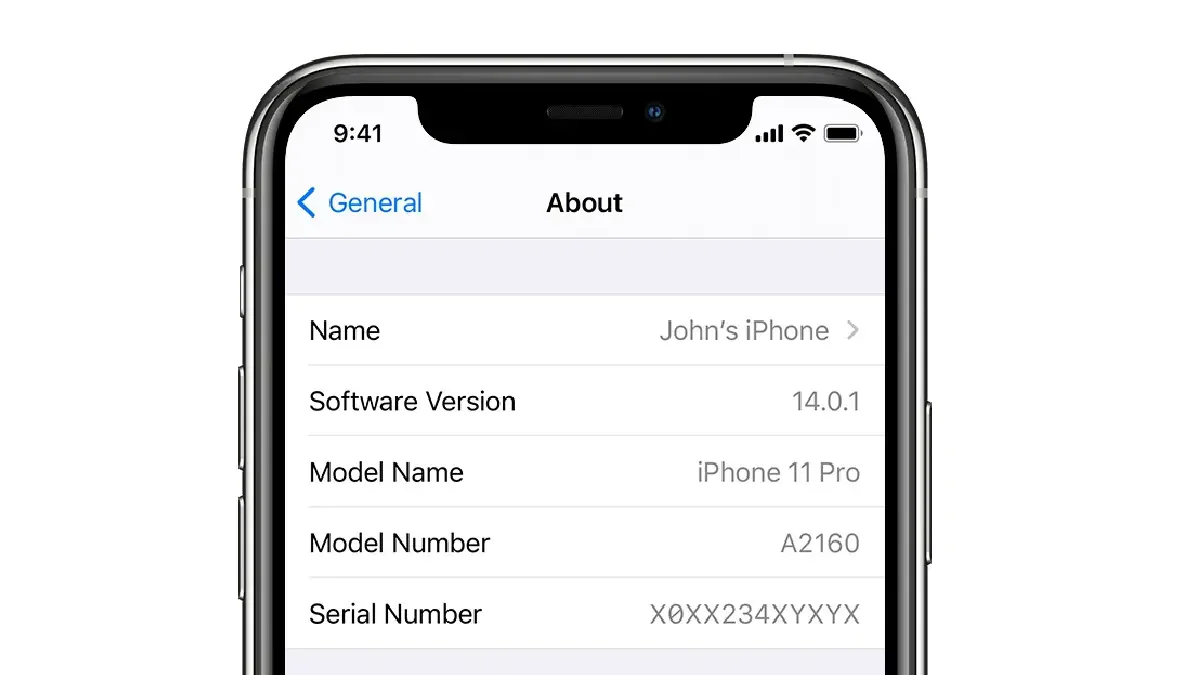
Here is the check. Open the phone app, dial *#06#, and read what pops up. See a 32-digit number labeled EID? The hardware carries an eSIM chip. If nothing of the sort shows up, no travel eSIM will ever install on that phone, no matter which provider you pay.
One caveat, and it matters. Seeing an EID proves the hardware exists. It does not prove the phone will accept a foreign profile. Plenty of China-market devices carry the chip and lock the software to the three domestic carriers.
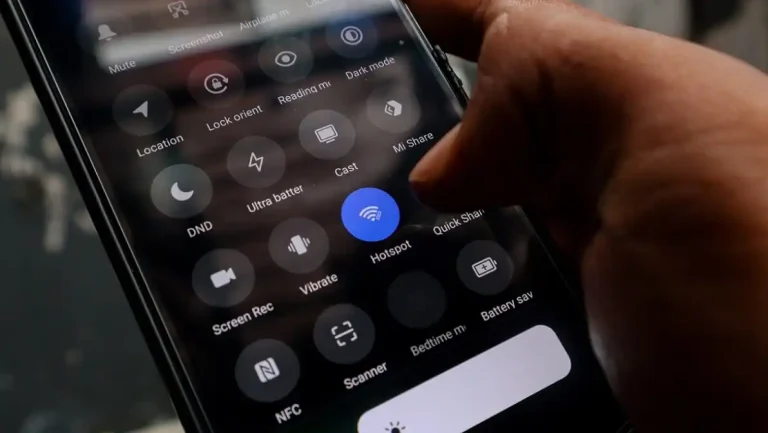
The second check lives in Settings. Search for eSIM in Settings. Or look under mobile network. The option you want is called Add eSIM. If it is missing entirely, that is the firmware telling you what it was built for.
The mismatch case deserves its own note. Some phones show an EID yet hide the Add eSIM menu, because profile installs are gated by region software. If you hit that combination, treat the phone as eSIM-less for travel purposes. It will save you an afternoon of forum threads that all end the same way.
Travel eSIM companies have turned this into a standard FAQ entry, which tells you how often people hit it. Roami’s compatibility table lists phones from Huawei, Xiaomi, OPPO and vivo sold for the Chinese market as usually without support. Cellesim goes further and states that a foreign travel profile cannot be written to a mainland-China device at all, and no provider can fix it remotely.
I read four providers’ FAQ pages before writing this and the language was nearly identical on each. When four competing companies print the same warning, it is not marketing. It is them deflecting support tickets.
And the restriction is not subtle once you look. It is not a setting buried somewhere. It is not a toggle the right app can flip. The install simply fails, at the device level, every time.
Not every China-adjacent phone is locked, to be fair. Hong Kong retail models usually behave like international ones. Some brands also enable eSIM on global firmware for the same silicon they ship muted in China. The lesson is that the answer follows the firmware, not the logo on the box.
iPhones are their own chapter. Since the iPhone 14, US models ship with no SIM tray at all, eSIM only. Chinese-market iPhones from the same generation carry two physical slots, which tells you the two markets were built for two different systems.
That split is getting sharper, not softer. Every year the US lineup leans harder on eSIM, and prepaid sellers follow. Airport kiosks used to hand you a plastic card. Now they hand you a QR code. A Chinese phone in that line is the person holding everyone up.
Travelers are the easy case, actually. Students and new arrivals have it harder. They need a US line that lasts months, and the eSIM-heavy prepaid market treats their phone like a stranger. For them, a physical SIM from a monthly carrier is the escape hatch.
So what do you actually do if the check fails?
Three routes, in order of sanity. Buy a physical travel SIM and let it ship to your home before the trip. Or land, walk to a convenience store, and buy a local prepaid card, which costs about the same and works in any phone without a carrier lock.
The dual-SIM arrangement is the underrated one, if your phone has two slots. Keep your home SIM in slot one for texts and verification codes. Put a local or travel SIM in slot two for data. Two numbers, zero roaming surprises.
Verification codes are the reason the home SIM matters more than people think. Bank logins, payment apps and two-factor prompts all ride on your old number. A data-only eSIM cannot receive them. So even on a phone where the travel profile works, the physical slot earns its keep.
My take: for a trip under three weeks, the physical prepaid card wins, and it is not close. The eSIM savings come to a few dollars. The risk of standing in an arrivals hall with a QR code that will not install is worth more than that.
Secondhand buyers need one extra step. Ask the seller to dial *#06# on camera and show the screen. It takes ten seconds and it settles the hardware question. The software question still needs the Settings check, but half the risk is gone for free.
And keep expectations calibrated even when every check passes. A profile that installs today can fail after an OS update. Software is a moving target on any imported device. The physical SIM stays the reliable floor.
And remember the door swings both ways. A US phone bought for an eSIM-only life lands in China facing the same wall from the other side, where physical SIMs remain the local habit. The lesson is not that one market is wrong. It is that SIM design is now a regional choice, like plugs and bands.
There is a reason the travel industry pushed eSIMs so hard. No shipping, no kiosks, instant activation, and your home number can stay alive for texts. For most travelers the pitch is genuinely good. The pitch just assumes the phone was built for it.
Does any of this get better with time? I doubt it, and the reason is uncomfortable. eSIM makes travel convenient because profiles are remote and instant. The same properties make restriction easy, because profiles are remote and instant. Convenience and control are the same mechanism wearing different hats, and each market chooses its own hat.
One more corner case, for completeness. Some phones support a single eSIM profile alongside one physical SIM, rather than two digital profiles. That setup still works for travel. It just means the home SIM stays plastic while the travel plan goes digital. Check how many active profiles your model allows before relying on it.
This whole topic lives inside a bigger question, and I keep the full carrier-by-carrier checklist in the complete guide to Chinese phones in the US. The reasons these phones are so hard to buy locally in the first place are in the Xiaomi piece.
So the order of operations is simple. Check the hardware. Check the software. Then check the market you are standing in.
Run all three before you book, not after you land. It costs ten seconds, it works on any phone you already own, and it is the cheapest travel insurance you will never buy.