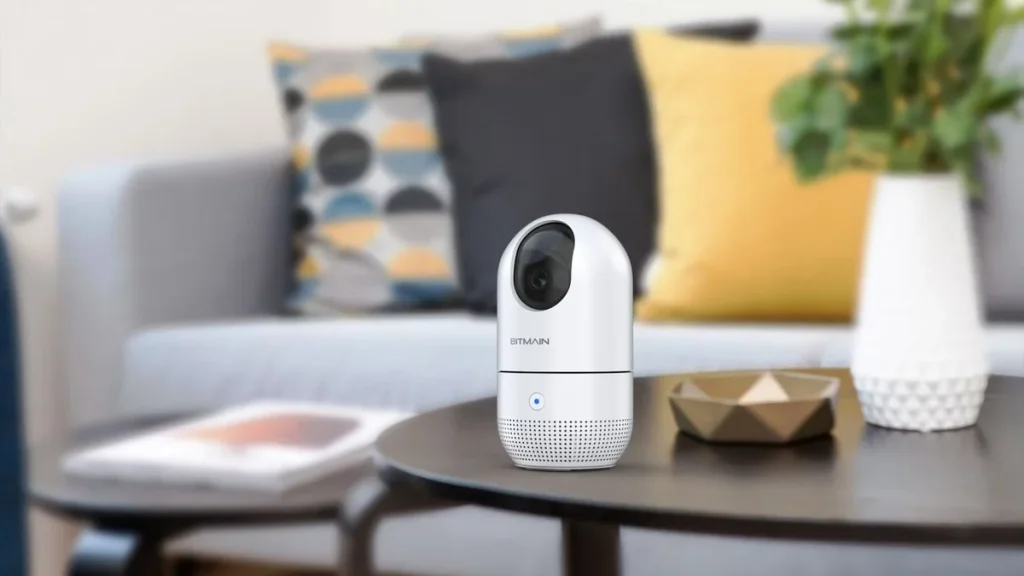
Ring’s five-year cost runs $390 in the U.S. no matter the tier. That is what a $150 camera costs once you add the plan Ring requires before it saves one clip. Neither the box nor the store page mentions it.
What you are actually buying is a security camera subscription. The camera is the cheap part, and the service is the product. A Ring doorbell with no Ring Protect plan still streams live video to your phone and still fires a motion alert. But it cannot record anything you can watch later.
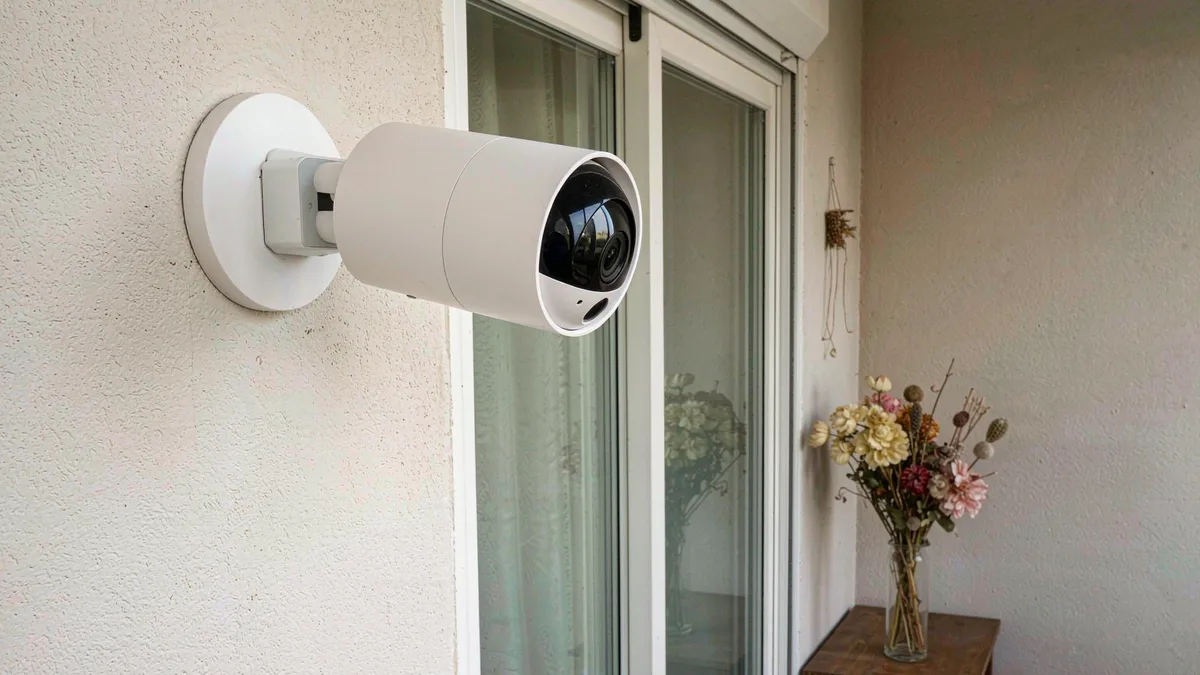
So you own a peephole with an app.
That is fine if you work from home and watch the driveway. It is useless if you are on a plane when a package disappears.
What the plans actually cost
Ring publishes three tiers in the US. Solo runs $4.99 a month or $49.99 a year for one camera. Multi runs $9.99 a month or $99.99 a year and covers every device at one address, while Pro runs $19.99 a month or $199.99 a year and adds round-the-clock professional monitoring.
Those numbers are current as I write this, and they move. Ring has repriced these plans before, so check Ring’s own plan page before you budget anything.
Then do the per-camera arithmetic. One camera on Solo costs $49.99 a year. Four cameras on Solo cost $199.96. The same four on Multi cost $99.99. The break-even sits at two cameras, and nobody selling you a $4.99 plan says that out loud.
Look at where the interesting features sit, too. Person and package alerts live on the paid tiers. Familiar Faces is a beta on the most expensive plan, so when a product page advertises smart detection at $4.99, read the small print twice.
Google’s camera plans follow the same shape. The Nest plan got renamed and repriced during 2026. Its cheaper tier gives you event history. That history runs in weeks, not months.
Two brands, one business model. And the fees do not stop at software, because battery cameras add their own line item.
The cost hides in the hardware too
Ring’s battery units last three to six months. That depends on how busy the street is. Replacement packs run about $30 each. Over five years that is real money, and a solar panel only fixes it if the camera faces the right way.
Every Ring camera does ship with a free 30-day Protect trial. That window is more useful than it sounds. Turn it on, watch what the alerts actually feel like, then decide whether you want to pay for them.
There is also a detail nobody reads until it matters. Cancel Ring Protect and the cloud deletes your recordings once the billing period ends. Download the clips you care about before you cancel, because your history will not sit there waiting.
Ring and Google also skipped the memory card slot on their doorbells. That is not an oversight. Removing local storage is how you make a subscription mandatory, and both companies did it on purpose.
Ask what 180 days of history really gets you. For a package theft, it is plenty. For a dispute that surfaces eight months later, it is over.
The local-storage alternative, honestly
Eufy, Reolink, and TP-Link Tapo run the other playbook. These cameras record to a microSD card, a base station, or a recorder you own. There is no mandatory monthly fee, and person detection runs on the device itself.
But the hardware costs more up front. That is the trade. A Eufy base station plus two cameras runs a few hundred dollars, while a four-camera Reolink kit with a recorder can undercut the equivalent Ring bundle.
Run the five-year math and the gap gets loud. A four-camera Ring system lands near $1,000 to $1,200 once you count hardware, fees, and batteries. A comparable Eufy setup lands closer to $800, and a wired Reolink system can come in under $500.
But local storage is not free.
The bills nobody lists
Remote viewing is the first bill. With Ring, footage lives in the cloud and any phone can open it in seconds. With a recorder in your closet, you need a way in from outside, which means a tunnel, a VPN, or the manufacturer’s relay service. Most people get it working. Some do not.
Physical security is the second bill. If someone steals the camera, cloud footage survives and local footage leaves with the thief. The fix is easy and easy to skip. Keep the recorder indoors and out of sight, because a base station in a locked drawer is safe and a recorder beside the front door is not.
The third bill is the one Ring actually earns. Cloud cameras keep recording when your internet drops, because the work happens somewhere else. The difference shows up when you try to watch from a hotel during an outage.
Local recording has its own hardware worries. A memory card in a sun-baked camera will eventually fail, and cheap cards fail sooner. Eufy and Reolink both let you use a base station or a recorder instead, and that is the version I would buy.
Storage math is worth doing before you pick a card. A 128GB card holds roughly a month of motion clips in a quiet yard, or a week on a busy street. Buy the card after you have real footage to measure against.
Which way to go, by situation
I would still pick local storage for a house. The recurring fee bothers me more than the setup work, and the fee never ends.
If you rent, or if you move every couple of years, the calculation flips. Cloud cameras mount with two screws and work the same afternoon. Wired cameras want cable runs you may not be allowed to make.
This cloud dependency shows up across the whole category, and it is worth understanding before it surprises you. Google is retiring Assistant in favor of Gemini, and every device that leaned on the old service has to adapt. I wrote about what that shutdown means for the gadgets in your house a while back.
There is a middle path worth knowing about. Some cameras record locally and upload only the events you flag. Others let you run detection on a home server and skip the vendor entirely, which takes an afternoon and costs roughly nothing per month.
I should be fair to the cloud side. Off-site footage survives a house fire or a stolen recorder, and no local setup matches that without extra work. If you travel constantly and want one app that simply works, the subscription is buying something real.
Professional monitoring is the one piece you genuinely cannot host yourself. Someone has to be awake at 3 a.m. to call the police, and that is a service, not a file on a disk. If that is what you want, pay for it knowingly.
Switching later is more annoying than switching now. Ring and Eufy use different mounting brackets, so a swap means new holes in your doorframe. Pick the model you want while the wall is still clean.
Whatever you choose, decide in this order. Ask what happens without a plan, and ask what the plan costs over five years rather than one month. Ask where the footage physically sits. Then ask how the company treated customers the last time it changed its mind.