The hardware inside a robot vacuum does not care which continent it sits on. The app does. Dreame says so on its own support pages, in plain language, and the admission covers both the connection and the warranty.
The exact wording: devices that were not officially imported through authorized local distributors may be unable to connect to or use the app in certain regions. Global warranty service, the same page notes, is currently not supported. That policy lands hardest on anyone who imported a Chinese robot vacuum to save money.
What does a region lock look like in practice? Usually nothing dramatic. The pairing screen spins and the device never appears. Or the robot vacuum app connects but hides half the features. You end up with a working machine and a mute brain.
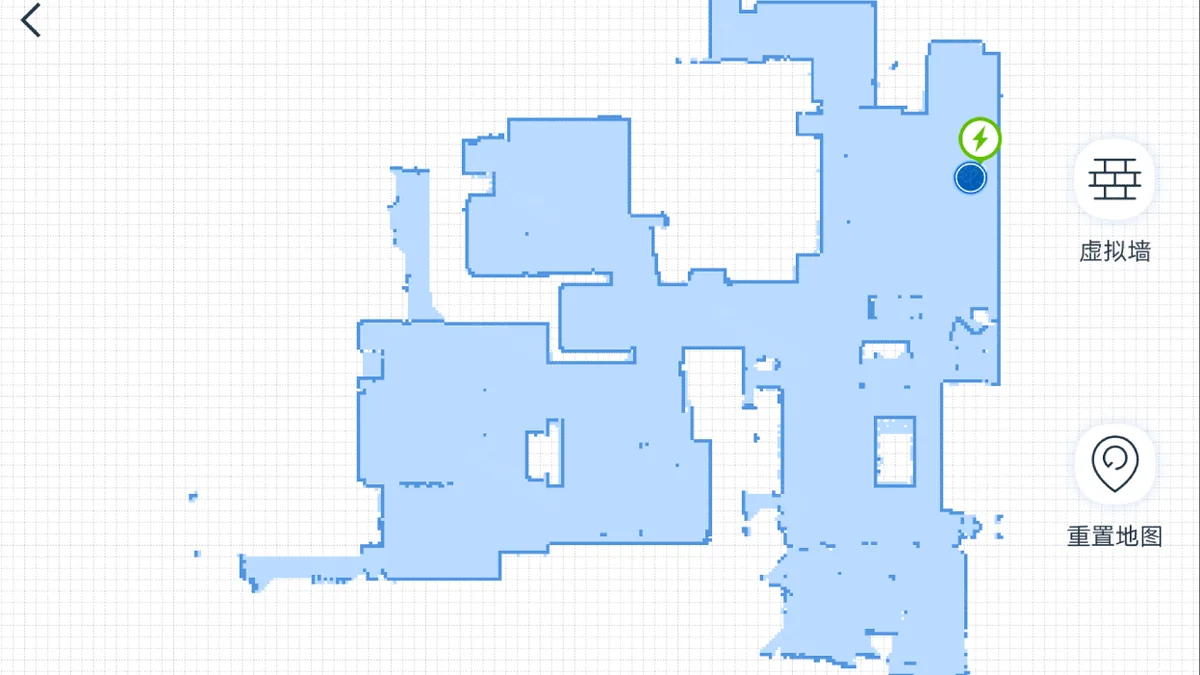
It is worth spelling out what the app actually is, because the vacuum without it is half a product. The app holds the map, the no-go zones, the schedule and the suction levels. It ships firmware updates. Lose the app and the robot still cleans the room it happens to be in, on whatever settings came from the factory.
Dreame is not hiding any of this. Its help center explains that after an app upgrade, devices purchased outside the local authorized sales region may be unable to connect, and it recommends contacting the original seller for a return. That is a company documenting the wall, not a rumor.
Roborock splits the same way, just more quietly. The hardware is identical between markets, but the China version talks to the Mi Home app and answers a Chinese wake phrase, while the overseas version pairs with Google Home and Alexa. Buy the wrong variant and the assistant integration you wanted simply is not in the firmware. No update brings it back, because the difference is baked in.
Narwal owners ran into the same wall and got creative. The community documented that the official app refuses cross-region control, so Home Assistant hobbyists built an integration that speaks to the robot directly over the local network on port 9002, no cloud involved. It works. It is also a DIY path, not a fix any normal household should count on.
Why would a company deliberately mute half a product for one group of buyers?
Three reasons, and they are all boring. Regional pricing means a cheap gray import undercuts the local sales channel. After-sales parts and firmware certifications differ by market. And app infrastructure, voice services in particular, is licensed per region. The lock is cheaper than the alternative, from the company’s side of the table.
The box gives you no hints. Same printed specs, same glossy photos, sometimes the same serial prefix. I keep thinking the industry should print the market region on the outside, the way milk prints its fat content. Nobody does, because the gray market is somebody’s sales channel too.
The warranty point deserves more weight than importers give it. These machines carry spinning brushes, water tanks and lithium battery packs, and the parts are not interchangeable across regions on every model. A local service center can look at your import and legitimately say nothing fits. Saving 30 percent on the sticker means little when a cracked lidar unit turns into a paperweight.
Resale is the quiet casualty, too. A region-locked import is hard to sell locally, because every buyer can read the same help page you can. The discount you captured on day one comes back out on day three hundred, when you sell it for parts prices. Depreciation is where gray imports really bill you.
Vacuums are just the visible case. The same pattern runs through Chinese security cameras, doorbells and routers. Wherever an app account is the product’s brain, the region of purchase decides what the brain is allowed to do. Check before the box is open. Afterward is too late.
So here is the pre-purchase checklist I would actually use. Ask the seller three questions in writing. Which app does this exact model ship with, and does your region’s version of that app list the model as supported. What does the warranty cover in the country you live in, not the one you are buying from. Can they supply a spare battery and brush kit, with shipping to your address.
Two minutes of those questions in a chat window beats a week of reviews. Sellers who answer clearly tend to handle problems clearly. But a seller who goes quiet after the first question has answered it too.
The math is not always against importing. On a model where your region’s app lists the hardware and parts are available, the discount is real money. On a model where the robot vacuum app is domestic-only, the discount is a trap with a filter.
What does the discount actually look like? Gray-channel pricing on these machines often runs 15 to 30 percent under local retail, depending on model and season. On a $1,500 flagship that is real money. On a $300 unit it is a nice dinner, and the risk is not worth a dinner.
One more thing people skip: updates. Region-locked hardware still receives firmware, but the changelogs are written for the home market, in its language, on its schedule. You are running someone else’s roadmap on someone else’s calendar. Fine when it works. Miserable when an update rearranges your app overnight.
So who should still import? The tinkerer who wants the local-protocol route and genuinely enjoys maintaining it. Almost nobody else.
My rule of thumb after pricing this out: under about 15 percent saved, the import is not worth the friction. Past that, it depends entirely on the three answers above. There is no universal answer, which is exactly why nobody has written this checklist before.
If the vacuum is part of a bigger cross-border haul, the true cost of shipping from China to the US is worth a read before checkout. Once the gadget lands, the guide to Chinese appliances on US power covers the next surprise.
My honest guess is these walls get higher, not lower. The app is how these companies monetize, and regional control of the app is regional control of the money. Buy the version meant for your address, or go in knowing exactly what you are giving up.