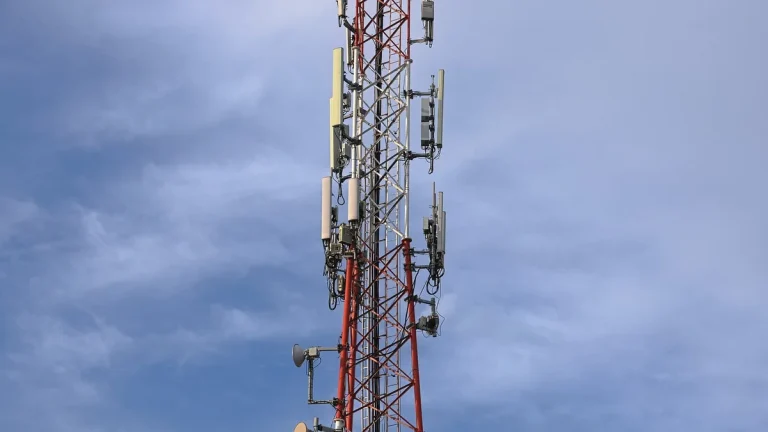
There were 2,520 CATL swap stations across 200 Chinese cities at the end of September. It wants 6,000 by the end of 2027. That is roughly 116 new stations a month for two years.
The number came out at a Beijing event on November 13, alongside a smaller announcement about battery diagnostics. The station target is the interesting one.
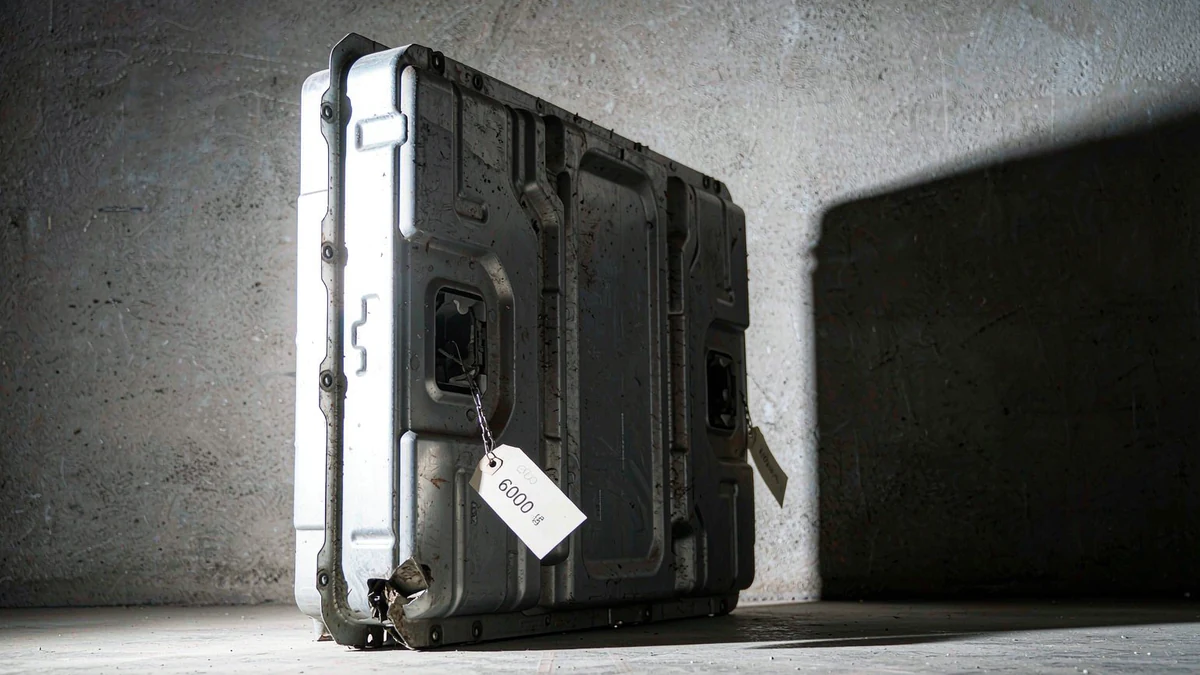
And it is the harder half to deliver. Diagnostics are software. Stations are concrete, land leases and grid connections.
What 6,000 stations is supposed to mean
The plan splits the network in two. Five thousand urban battery swap stations, laid out so that a driver in a core city area is never more than ten minutes from one. One thousand highway stations along what CATL calls an eleven-vertical, nine-horizontal corridor network.
Coverage is the claim: 297 cities, which is every prefecture-level city and municipality on the mainland except Sansha.
So the network is national, not regional. That changes the cost of the promise.
Ten minutes is a walk, not a charge. That is the whole argument for swapping over plugging in. A swap takes about 99 seconds in CATL’s own numbers, and it happens while the driver stays in the car.
Battery ownership is the actual product
Here is where the Chinese model differs. These cars are sold with the battery leased, not included. The pack belongs to a battery leasing company, and the driver rents capacity by the month.
That arrangement makes swapping possible. If every driver owned their pack, no station could accept an unknown battery of unknown age and hand back a different one.
It also makes the warranty promise possible. CATL said on the same day that every pack in its network gets lifetime monitoring, lifetime warranty and a free replacement. It only works because the company owns the packs.
What the diagnostics actually check
The system runs 53 checks while the car is being driven, then 13 more inside the station during a swap. CATL’s presentation says 66 total, and the driver can open an app to see state of charge, insulation resistance, voltage spread and thermal risk.
Insulation resistance is the one that matters for safety. A pack with failing insulation is a fire risk that no dashboard warning catches early.
The commercial fleet is the quieter plan
Passenger cars get the press. Electric heavy trucks get the volume, and CATL’s Qiji brand is building 900 stations this year, 2,000 by 2027, with a long-term target of 10,000.
But the truck numbers scale faster. It is a fleet business — fixed routes, scheduled stops, one owner per vehicle.
Trucks are the better fit for swapping and always were. A long-haul truck has a fixed route, a scheduled stop and an owner who counts hours instead of miles. Forty minutes on a charger is a cost that shows up in the invoice.
CATL says the truck network will put a station within 1.5 hours of any point on a main corridor this year. If that holds, swapping stops being a city convenience and becomes a freight argument.
What could go wrong
Three things, all visible. Station buildout is capital-heavy and slow, and the run rate implied by 6,000 by 2027 is far above what the company has managed so far. A single brand’s cars dominate every station, so the network’s value depends on other automakers joining.
But the buildout is the only real risk.
And the standard has to hold. Every pack in circulation has to fit every station, which means the physical dimensions, the connector and the communication protocol are fixed for years. That is a commitment no automaker makes lightly.
I would watch the monthly station count rather than the annual target. CATL went from 1,020 at the end of 2025 to 2,520 by September, which is about 166 a month. Hitting 6,000 by December 2027 needs something close to 150 a month sustained through a winter and a slow quarter.
Doable. Not comfortable — the pace sits above the 2026 run rate.
But the count is public. The 2026 milestone to check first is the one the chairman gave on November 10: more than 3,000 passenger-car stations before the year ends. That is a two-month sprint from where the count stood in September.
For anyone outside China, the useful takeaway is not the target. It is that swapping works when the battery is a service and fails when it is a possession. The same logic about who owns the expensive part shows up in phones, and the tech desk keeps the rest of the hardware coverage.