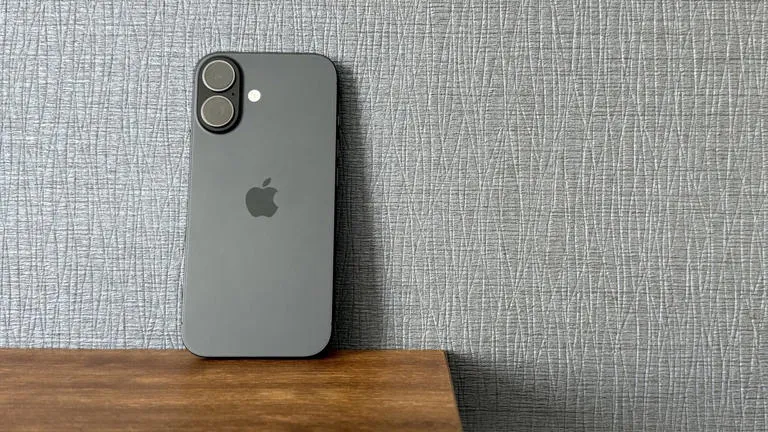
Apple is about to raise the price of the iPhone 17 lineup. Maybe as soon as August 10.
That is the word from supply chain chatter, and honestly it is not that surprising. Memory chip costs have been climbing for months, and Apple already bumped up prices on most of its other hardware back in late June. The iPhone was the one holdout. Looks like that is changing.
The iPhone is not the only thing moving this fall. AirPods 5 are due in September, though the camera version slipped again.
A leaker on Weibo, China’s Twitter-like platform, who goes by Focus Digital, posted recently that the price adjustment could land within days. They are not completely confident, they admitted the rumor is still shaky, but they have a decent track record. They called the iPhone 16e name before it was official, so people pay attention when they talk.
Here is the thing, though. This is not just about memory chips.
Apple is also pulling back on production expansion. Some lines that were supposed to ramp from 15 percent to 30 percent capacity utilization were put on hold. That tells me they are not just reacting to component costs. They are being careful about demand too, or maybe they are saving inventory for the bigger launch later this year.
The timing is what makes this interesting
Normally, Apple drops new iPhones in September, cuts the price on the previous generation, and calls it a day. But 2026 is different. They are splitting the launch. September will bring the iPhone 18 Pro, iPhone 18 Pro Max, and the folding iPhone Fold. The standard iPhone 18 is not coming until spring 2027.
That means the iPhone 17 is going to stick around as Apple’s mid-range option for another six months at least. If you are Apple, and you know that phone has to carry the middle of your lineup through early next year, you do not want to eat the memory cost increase for that whole time. Raising the price now makes business sense.
But it is still a strange move. Apple usually lowers prices on older models when a new one drops. Instead, they are raising the price on a phone that is already a year old. That is not nothing.
I looked back at how other Android makers have handled this memory price surge. Most of them raised prices quietly at the start of the year. Samsung, for instance, bumped up the Galaxy S series by about 5 to 8 percent depending on the region. Chinese brands like Xiaomi and Oppo did the same, though they were more aggressive about swapping in cheaper storage controllers to keep the sticker price from jumping too much.
Apple did not do that. They stuck with premium components and took the margin hit. Now they are passing it on.
So what does this actually mean for buyers?
If you were waiting for the iPhone 17 to get cheaper when the 18s drop, that is probably not happening. Worse, the iPhone 18 Pro is expected to get a fairly large price bump too. Rumor has it the Pro models will see a more significant increase this year because of the folding tech and upgraded camera systems. So the whole lineup could be more expensive, not less.
I am not going to lie: I was hoping to pick up a discounted iPhone 17 later this year. My 14 Pro is still fine, but the battery is getting tired, and I have been eyeing the 17’s camera improvements. Now I am not sure that is going to be the deal I thought it would be.
That said, if you absolutely need a new iPhone right now, the 17 is still a solid phone. The A17 chip is fast, the battery life is good, and the camera system handles low light better than anything from two years ago. But if you can wait, the 18 Pro will be a bigger jump, and you will have to decide whether that jump is worth whatever Apple ends up charging.
One more angle worth thinking about: this price increase might be a test. Apple has never really raised prices on a phone that has already been out for a year. If they pull it off without hurting sales too much, you can bet they will do it again next time. If it backfires and people just hold onto their old phones longer, they will walk it back quietly and pretend it never happened.
My guess is that it will work. The iPhone 17 still has a lot of demand, especially in markets where people are not ready to drop $1,200 on a folding phone or a Pro Max. Apple knows that. They are betting that a small price hike will not push those buyers away. If the past is any guide, they are probably right, because the iPhone 17 still clears the bar that matters most for ordinary buyers: it works well, and it is familiar.
I am more interested in how this affects the used market. If the new price goes up, used prices usually follow. That means people selling their iPhone 17s might get a little more for them, but people buying used might have to pay a bit more too. Not a huge shift, but something to keep an eye on if you are in the market for a second-hand device.
The short version
The iPhone 17 is getting more expensive soon, probably within the next week or so. If you were on the fence about buying one, now might be the time, before the price changes. If you can hold off until the 18 Pro drops in September, you will get a more future-proof phone, even if it costs more than you planned to spend.
The broader pattern is the part I would watch. Google is trimming features from free tiers too, as I wrote when Assistant got retired, and the reasoning is almost word for word the same. The free ride on these platforms is getting narrower, and the iPhone 17 price move is the hardware version of that same instinct.
I will keep an eye on this and report back if anything changes. For now, I am holding onto my 14 Pro a little longer.